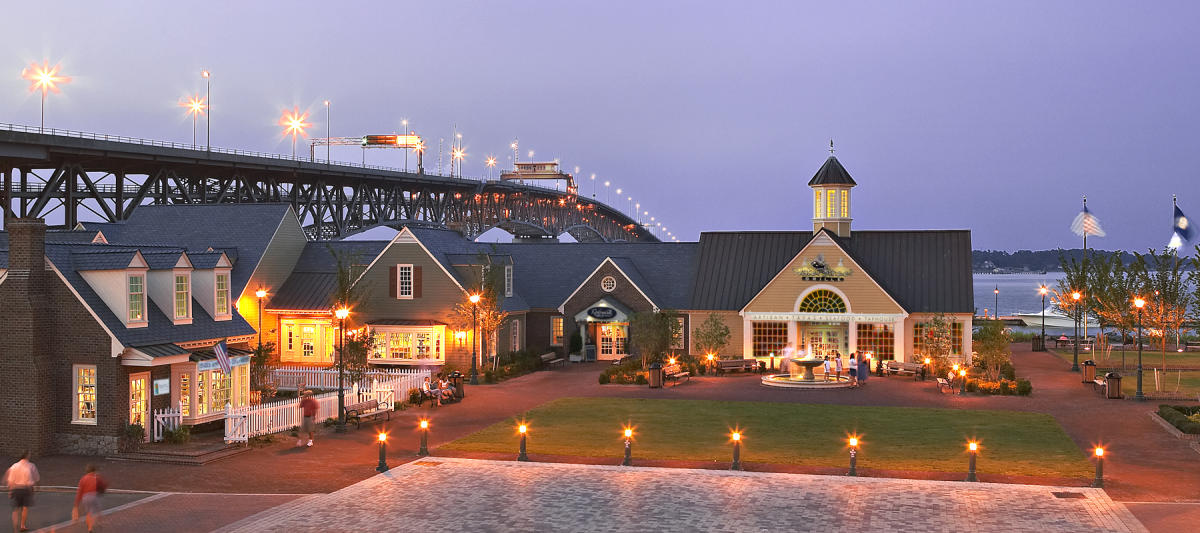
Thinking about a move to Williamsburg? It is one of those places that can feel charming, practical, and active all at once. If you are trying to picture everyday life here, this guide will help you understand the pace, housing, commute, and seasonal rhythm so you can decide whether Williamsburg fits the way you want to live. Let’s dive in.
Williamsburg at a glance
Williamsburg City is a small independent city with a big regional presence. The city was founded in 1632 and became Virginia’s colonial capital in 1699, and today is known for Colonial Williamsburg, William & Mary, and its location along the I-64 corridor between Richmond and Norfolk/Virginia Beach.
That mix shapes daily life in a real way. You get a city with deep history, a college presence, and strong tourism, all within a community with an estimated 2024 population of 16,030. Williamsburg itself consists of Williamsburg City, James City County & parts of Yorktown.
Daily life in Williamsburg
Living in Williamsburg often means being close to history without feeling stuck in the past. The city’s historic identity is part of daily life, but so are restaurants, local shops, events, and the normal routines of work, errands, and home.
Tourism and education are major drivers of the local economy. The city says its Tourism Development Fund supports restaurants, attractions, hotels, events, placemaking, and public-private partnerships, which helps explain why there is usually something happening around town.
Williamsburg also draws a steady flow of visitors. Regional tourism organizations report nearly two million visitors spent $941.4 million throughout the region in 2022, and Colonial Williamsburg plus the City of Williamsburg host more than 1,000,000 visitors each year.
For you as a resident, that can be a plus and a tradeoff. It often means convenient access to attractions, dining, and public programming, but it can also mean busier streets and event traffic during peak times.
Historic character stands out
One thing that makes Williamsburg feel different is how much of its historic character is woven into the city. Colonial Williamsburg’s Historic Area spans 301 acres and includes more than 300 buildings, so the historic atmosphere is not limited to one street or landmark.
That larger footprint gives the city a distinct sense of place. Even if you are not spending every weekend at museums, you still feel the influence of preservation, architecture, and public spaces throughout the area.
Housing in Williamsburg
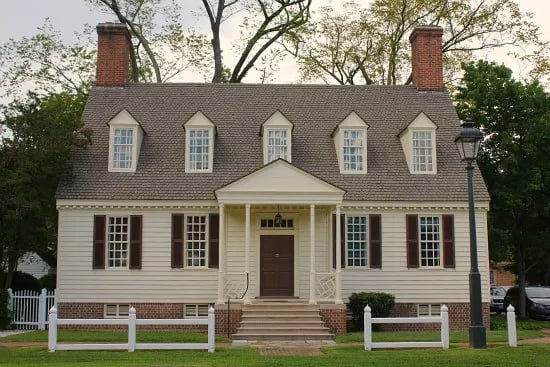
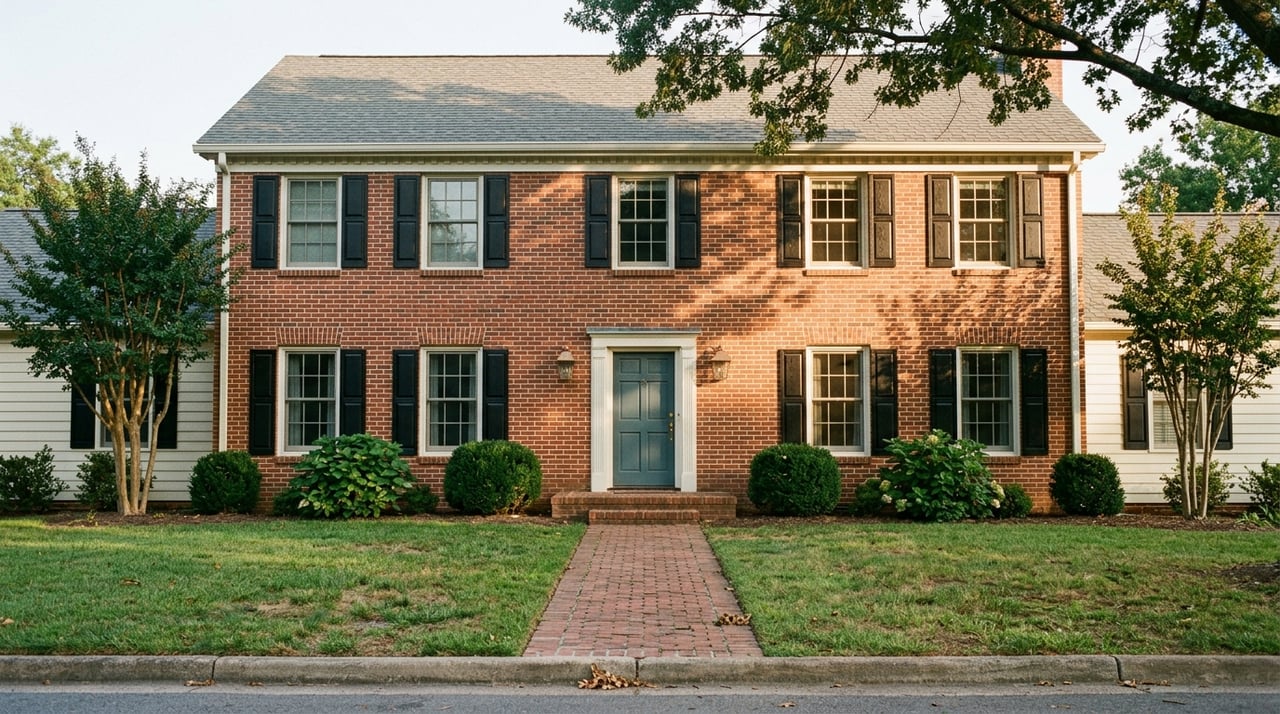
Williamsburg’s housing stock is varied, which is helpful if you want choices. According to city design guidance, the local building inventory includes Colonial Era, Colonial Revival, Georgian Revival, bungalow, Cape Cod, ranch, Victorian, modernist, and vernacular homes.
That means your home search may include very different settings and styles depending on where you look. One part of Williamsburg may feel more historic and established, while another may feel more suburban and newer in character.
The city’s Corridor Protection District residences were built from the 1930s to the present and include a wide range of architectural styles. This adds to the sense that Williamsburg is not a one-style market.
Census data also points to a mixed housing landscape. The owner-occupied housing unit rate is 53.2%, which suggests a blend of owner-occupied homes and rentals rather than a single type of living arrangement.
The median value of owner-occupied housing units is $428,100. If you are planning to buy or sell here, that number helps set expectations, but your actual experience will still depend on home type, location, condition, and timing.
What buyers should know about historic areas
If you are drawn to older homes or historic neighborhoods, it is smart to understand the local review process before making plans. In Williamsburg’s Architectural Preservation Districts, exterior work is reviewed by the Architectural Review Board.
That does not mean you should avoid those areas. It simply means that if you are thinking about renovations or exterior updates, you will want clear guidance on what is allowed and what approvals may be needed.
For sellers, that same detail matters too. If you are preparing a home for the market, exterior changes may need more planning in certain areas.
Commuting and getting around
Williamsburg offers a location that works well for many people who want regional access without a long daily drive. The city sits on the I-64 corridor, which connects it to larger employment and activity centers across the region.
The Census Bureau reports a mean travel time to work of 19.5 minutes. While commute times vary by job location, that figure suggests many residents enjoy relatively manageable trips to work.
Downtown, the Williamsburg Transportation Center adds flexibility. The city offers Amtrak, local cab service, and local bus service.
City goals for 2025 and 2026 also call for stronger Williamsburg Area Transit Authority service linking the Historic Area and Transportation Center with the Monticello commercial corridor. For residents who value options beyond driving, that is a useful part of the local picture.
The Historic Triangle advantage
Living in Williamsburg also means easy access to the broader Historic Triangle. Visit Williamsburg says Jamestown, Williamsburg, and Yorktown are linked by the 23-mile Colonial Parkway.
That wider regional setting adds to the appeal of living here. You are not only choosing a city, but also a home base with access to nearby history, recreation, dining, and day-trip destinations.
Seasonal life and local events
Williamsburg tends to have an active year-round rhythm. The city describes the climate as moderate, with a gentle version of all four seasons, and the area’s event calendar helps each season feel distinct.
Spring often brings blooming gardens, outdoor spaces, and family-friendly activities. Fall is known for seasonal events such as ghost tours and Busch Gardens’ Howl-O-Scream, while winter brings holiday decorations, fireworks, Christmas markets, and Busch Gardens Christmas Town with more than 10 million lights.
For many residents, the appeal is not just the major attractions. It is also the recurring local events that make the city feel connected and lived-in.
The Williamsburg Farmers Market is one example. It averages about 40 vendors and 1,000 to 1,500 visitors on a market day, which shows how much community activity can center around simple weekly routines.
Another local staple is 2nd Sundays, described by Visit Williamsburg as a nearly year-round arts and street festival. Events like that can make it easier to settle into local habits and enjoy the city beyond the visitor experience.
Pros of living in Williamsburg
Williamsburg offers several qualities that draw homebuyers and relocating households to the area:
- A strong sense of place shaped by history and architecture
- A compact city feel with regional access via I-64
- Varied housing styles, from historic homes to more suburban options
- Shorter average commute times compared with many larger metros
- Year-round events, attractions, and local gathering spots
- Easy access to Jamestown, Yorktown, and the broader Historic Triangle
Tradeoffs to consider
No place is perfect, and Williamsburg has a few practical tradeoffs to keep in mind.
Because tourism is such a large part of the local economy, some areas can feel busier during peak travel seasons, festivals, and major events. Traffic and crowds are part of the package in a destination city.
Historic preservation rules can also affect what you can do to a home’s exterior in certain neighborhoods. If you love older homes, that may be part of the appeal, but it is still important to understand before you buy.
Who Williamsburg may suit best
Williamsburg can be a strong fit if you want a place that blends character with convenience. Many buyers are drawn to the balance of history, local events, manageable commuting, and a housing market with several styles and settings.
It may especially appeal to you if you are relocating and want a community with a recognizable identity, or if you are buying your first home and want to compare historic charm with more suburban options in one market area.
For sellers, Williamsburg’s distinct identity can also be a strength. Buyers often come here looking for a specific lifestyle, and clear preparation and local positioning can help your home stand out.
If you are thinking about buying or selling in Williamsburg or anywhere in the Historic Triangle, working with a local guide can make the process feel a lot clearer. Tabitha Dalton offers hands-on support for buyers, sellers, and relocation clients with practical guidance every step of the way.
FAQs
What is everyday life like in Williamsburg, Virginia?
- Everyday life in Williamsburg blends a small-city feel with historic surroundings, local events, university influence, and steady tourism activity.
What types of homes can you find in Williamsburg, Virginia?
- Williamsburg has a varied housing stock that includes Colonial Era, Colonial Revival, Georgian Revival, bungalow, Cape Cod, ranch, Victorian, modernist, and other vernacular home styles.
What is the average commute in Williamsburg, Virginia?
- The Census Bureau reports a mean travel time to work of 19.5 minutes in Williamsburg.
Are there historic district rules for homes in Williamsburg, Virginia?
- Yes. In Architectural Preservation Districts, exterior work is reviewed by the Architectural Review Board.
Is Williamsburg, Virginia busy with tourists?
- Williamsburg has a strong tourism economy and hosts significant visitor traffic each year, so some areas can feel busier during peak seasons and events.
What makes Williamsburg, Virginia appealing to homebuyers?
- Many buyers are drawn to Williamsburg for its historic character, varied housing, regional access, active event calendar, and connection to the broader Historic Triangle.