On July 25, something happened at the Kingswood Pool that had nothing to do with backyard barbecues or lap swimming. The Virginia Peninsula Swim Union, a league of 19 neighborhood teams stretching from Newport News to Toano, held its Summer Awards Meet there, the postseason event for swimmers who came close to a championship cut but didn't quite get there. Kingswood hosted it. For one evening, a pool built for a few hundred families became the gathering point for swim families from well outside the neighborhood.
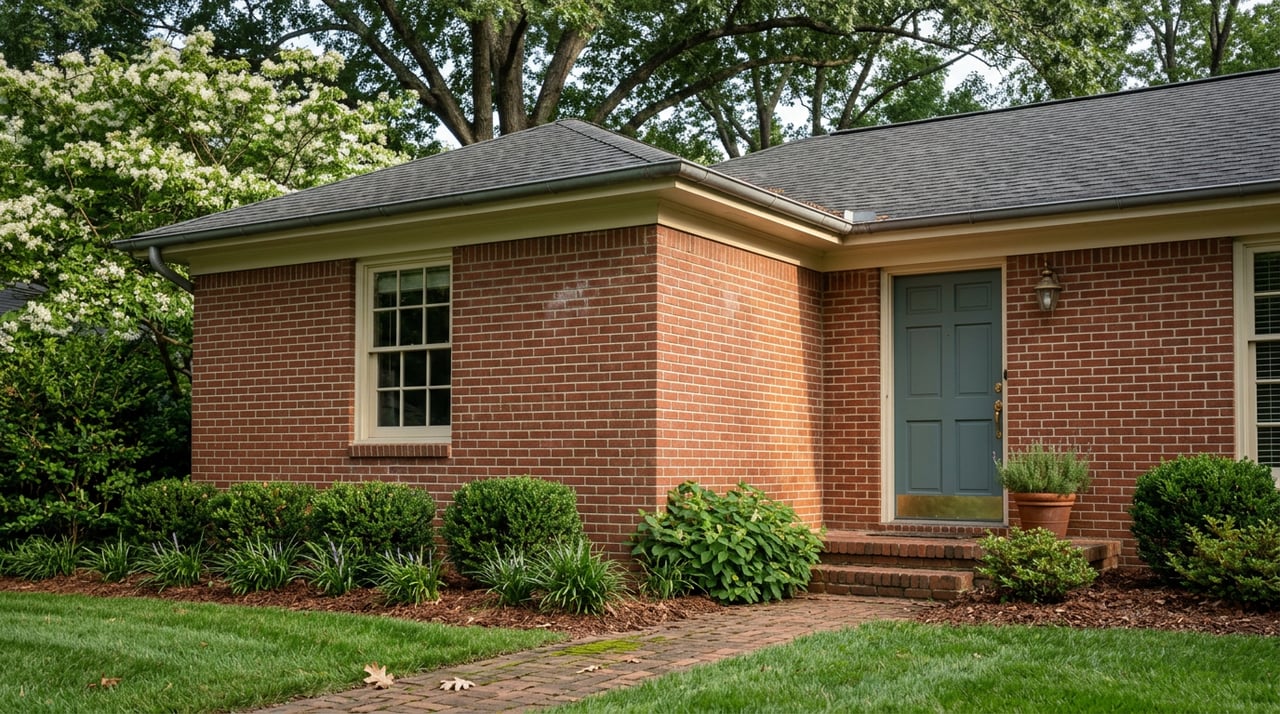
That single meet is a small fact. What it points to is a bigger one, and it's the thing most people who drive through Kingswood never stop to ask about: this neighborhood has no homeowners association. None. Not a light version, not a dues-optional version. And yet it runs like a place with deep civic infrastructure, better infrastructure, in some ways, than the newer subdivision built right next door with a board and bylaws to match.
The neighborhood next door has a board. Kingswood doesn't need one.
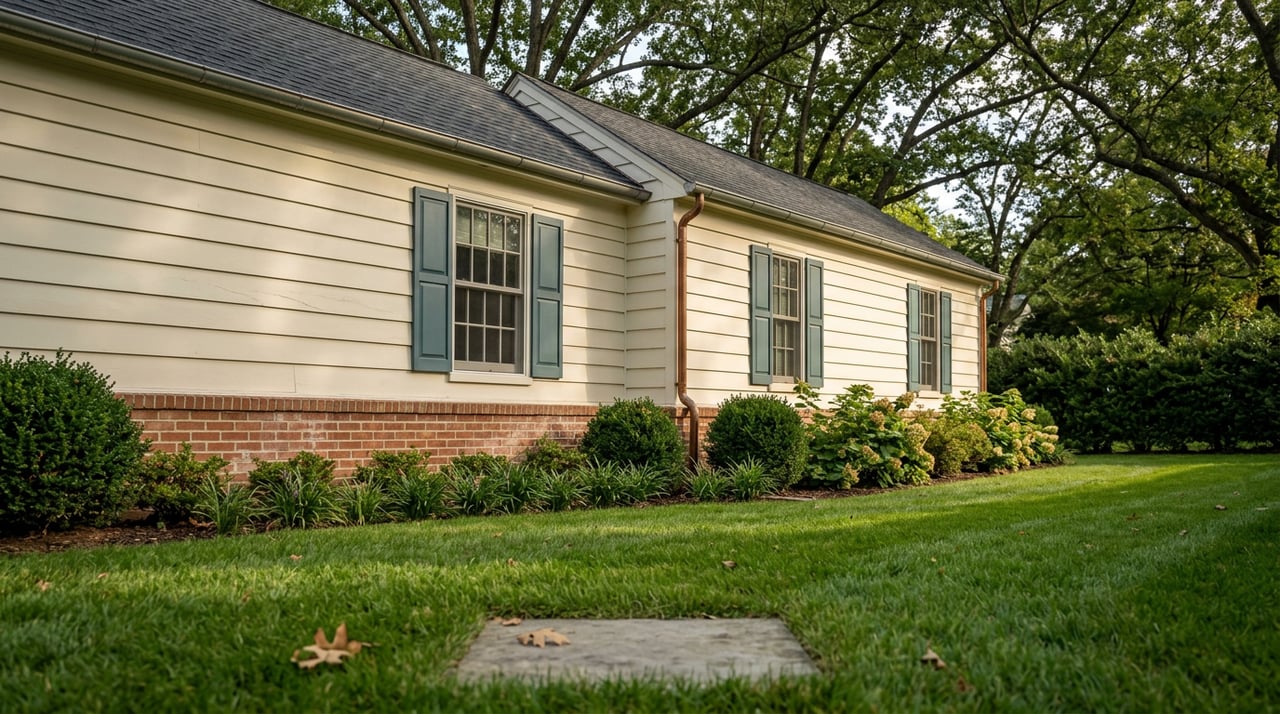
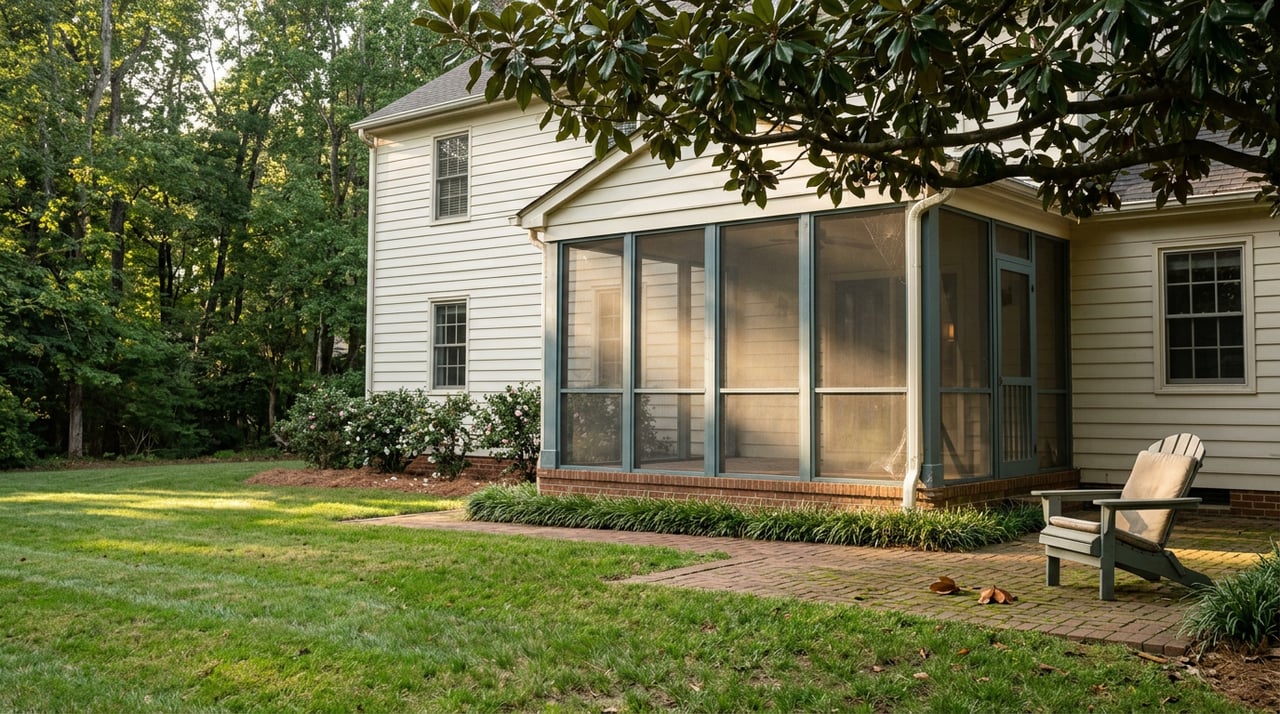
Kingswood, along with its close neighbors Hollybrook and Druid Hills, went up in the 1960s and '70s, roughly 240 homes total, no formal HOA governing any of them. Drive a little further and you'll hit Marywood, built in the mid-2010s by Centex with about 94 homes. Marywood has a homeowners association. What that association maintains is a small playground and a picnic pavilion.
Meanwhile Kingswood, with no board collecting dues and no covenant enforcing anything, sustains a full pool and clubhouse, a competitive swim team with nearly five decades of continuous history, and an annual road race that funds its own upkeep. The contrast isn't subtle. One structure, the formal one, produced a playground. The other, the informal one, produced an institution.
The mechanism isn't mysterious once you look at it. Kingswood's pool is a membership organization, not a governance body. A two-person membership runs $320 for the season, a single membership $210, and new families pay a one-time $200 initiation fee spread over two years. Nobody is compelled to join. But enough people do, every year, that the place has kept a swim team fielding swimmers for 47 straight summers.
One coach, forty-seven summers
The Kingswood Klams were founded in 1979 by Harold Baker. He's still the head coach. That's not a typo and not a rounding error. Forty-seven years is long enough that parents who swam for Harold as kids have gone on to bring their own kids back to the same pool deck, the same lane lines, the same coach.
The results show up in the record book. Ben Colley, who swam for Kingswood, still appears across multiple entries in the VPSU championship record book, marks set more than a decade ago that have outlasted plenty of swimmers who came after him. Kingswood swimmer Andy Roose has posted an Olympic Trials qualifying time, a genuinely elite outcome coming out of a volunteer-run neighborhood program with a summer-only season. The 2025 team banner reads simply: VPSU Season Champs. This year's roster added Summer Awards Meet host duties to that resume.
None of this is the product of paid staff or a facilities budget backed by mandatory dues. It's the product of one continuous coaching relationship and a pool that families choose to keep funding, summer after summer, because they want to.
The kids who come back
The clearest evidence that this works isn't a trophy case. It's a documented pattern of people leaving Kingswood and then choosing to come back.
The Local Scoop's feature on Williamsburg's summer swim culture followed a mother named Betsy Lavin, who grew up in Kingswood swimming for the Klams, went on to swim at William & Mary, moved away to Northern Virginia for a stretch of adulthood, and then moved back. Not back to Williamsburg generally. Back to Kingswood specifically, in large part because of the pool. She wanted her own kids to be able to ride their bikes there the way she once did.
That's a revealed preference, not a marketing line. Someone who had every reason to settle somewhere else, with a competitive swimming background and a degree from a well-regarded university, chose a specific 1970s neighborhood with no HOA because of what one volunteer-run pool made possible for her family.
A road race that pays its own way
The pool's reach extends past swim season. This June, Kingswood hosted the 10th annual Kingswood KLAM 5K and 1 Mile Fun Run, part of the Colonial Road Runners Grand Prix series. Adults ran the 5K, kids ran the mile, and everyone who registered got pool access for the day. Proceeds went straight to the Kingswood Pool and Recreation Association.
A decade of an annual race that funds its own facility is the kind of detail that tells you something an assessment record never could: this is a self-sustaining piece of neighborhood infrastructure, built and rebuilt every year by people who show up and register, not by a line item on a tax bill.
This isn't unique to Kingswood, and that's the point
Widen the lens a bit and the pattern holds across older Williamsburg neighborhoods generally. Indigo Park Pool, which serves families from The Meadows, Settler's Mill, Mill Creek Landing, and Canterbury Hills, runs on the same logic. Its own materials put it plainly: no HOA required, just membership and a love of summer, a tradition the pool traces back to 1968. It's volunteer-run, funded entirely by members and sponsors, with no HOA dollars behind it at all.
Kingswood and Indigo Park are two examples of the same quiet arrangement repeating itself around this part of James City County. Where newer developments reach for a homeowners association to manufacture shared identity, some of the area's older neighborhoods never needed one. They built something people wanted to keep paying into voluntarily instead, and it turned out to hold together at least as well, arguably better, measured in decades rather than dues notices.
What this looks like on the ground right now
Kingswood's 2026 pool season opened Saturday, May 23, with regular hours running into the evening most days of the week. The swim team's regular meets stretched from mid-June dual meets through the July 25 Summer Awards Meet hosted at home. The season wraps with a team banquet in mid-August, dinner first, awards after, the same closing ritual that's marked the end of every Klams summer for nearly half a century.
None of it depends on a management company or a board meeting with an agenda and minutes. It depends on parents timing lanes, volunteers running the snack stand, and one coach who's been showing up since 1979.
If you already call Kingswood home, you already know some version of this. What's easy to miss, living inside it, is how unusual the arrangement actually is. Most neighborhoods reach for governance to hold themselves together. Kingswood reached for a pool, and a coach who stayed.
If you're curious about what else makes this pocket of James City County work the way it does, or you're weighing a move within the Historic Triangle and want someone who actually knows these streets, Tabitha Dalton would love to talk. Let's Connect.