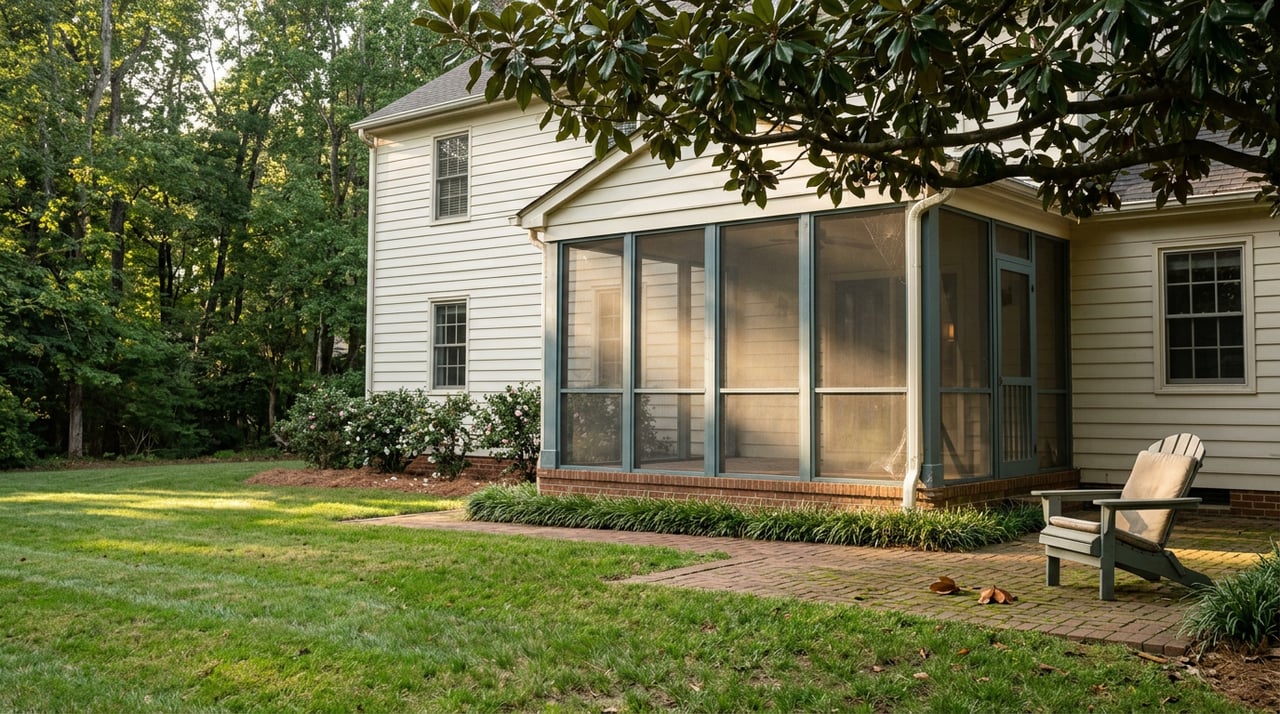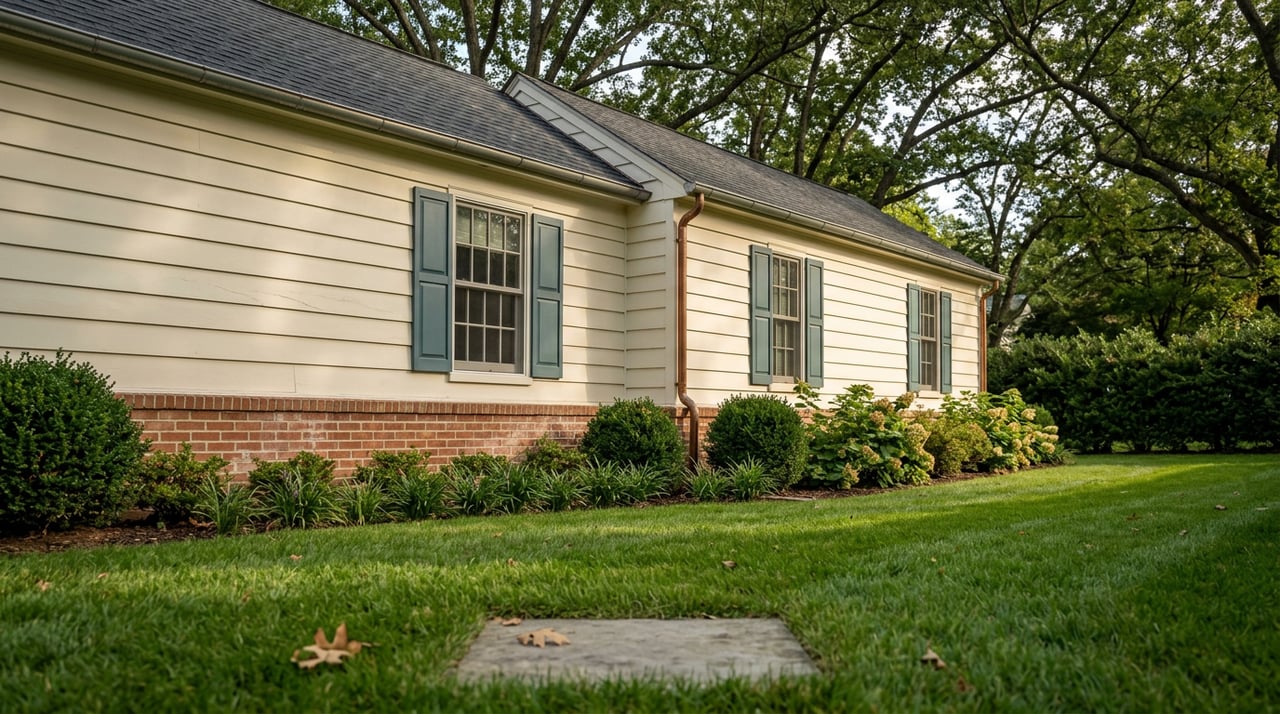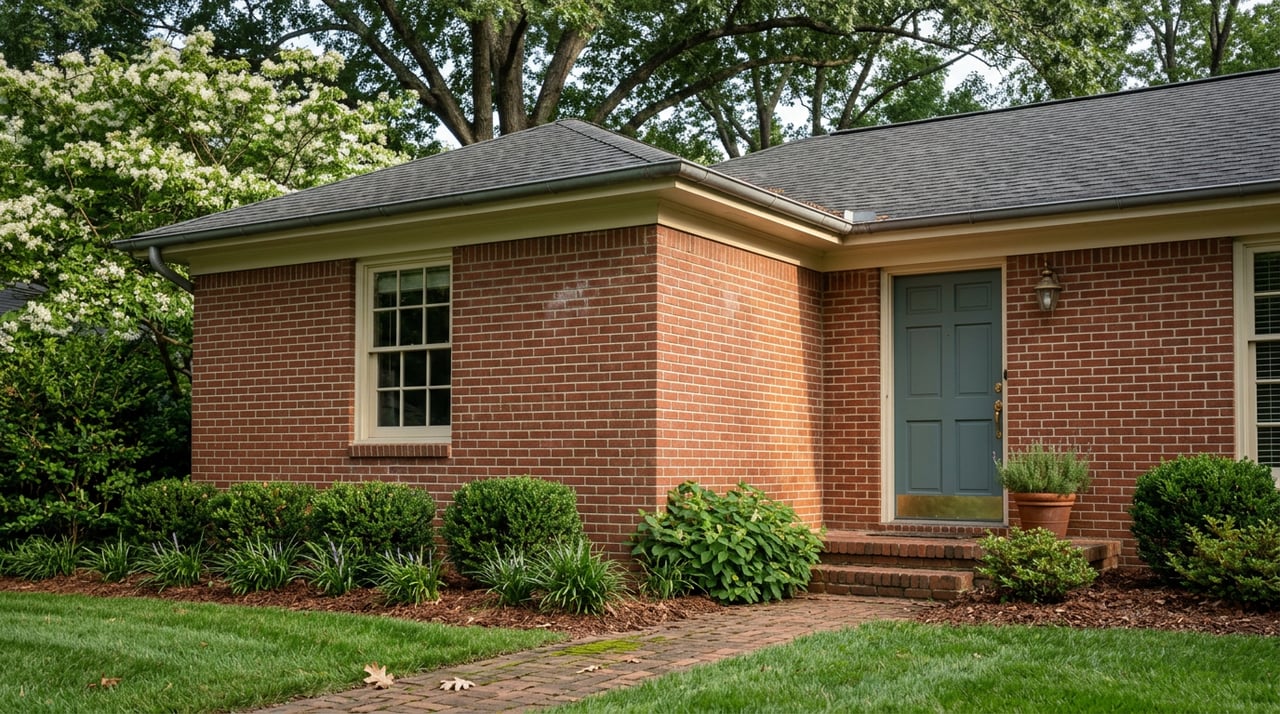
Two brick ranches, half a mile apart on the same stretch of cul-de-sac off Jamestown Road. Same era, same square footage, similar asking price. One buyer closed on schedule. The other watched their lender's insurance requirement turn a routine underwriting step into a two-week scramble, three days before the scheduled settlement date.
The difference wasn't the roof, the HVAC, or anything a buyer walked through during a showing. It was wiring behind the drywall that nobody in the transaction had thought to ask about until an inspector's report flagged it and an insurance carrier's underwriter took it from there.
What a copper price spike built into the walls
In the mid-1960s through the mid-1970s, copper prices rose sharply enough that builders across the country switched to aluminum for branch circuit wiring. It was code compliant at the time, and it wired an enormous share of American homes during that decade. Homes built or substantially wired during that window are the ones most likely to carry it today.
That window matters here because Druid Hills was not built all at once. Different sections of the neighborhood went up at different times, and one longtime Williamsburg-area broker who has sold in the area for over two decades describes it as a mix of midcentury properties and newer construction inside the same neighborhood boundary. The ranch and Colonial-style homes in the older pocket, generally selling in the $330,000 to $620,000 range, sit squarely in the years when aluminum wiring was standard practice. The larger, newer homes near the small lakes, often priced from $630,000 to $800,000, were built later and are far less likely to carry it.
That's the part a median price or a portal search doesn't tell you. Two homes with the same Druid Hills address can carry entirely different electrical risk profiles depending on which decade their section went up, and the number that actually predicts it isn't the list price. It's the build year.
Why passing the inspection isn't the finish line
Here's where it gets counterintuitive. A home inspector can walk through, note the aluminum wiring, and call it out as a standard observation rather than a defect requiring repair before closing. The house can be structurally sound and the electrical system can be functioning exactly as installed. None of that determines whether a lender's insurance requirement gets satisfied on time.
Homeowners insurance underwriting runs on its own logic, separate from the physical condition of the wiring. Many standard carriers simply decline to write a policy on a home with unremediated aluminum wiring, or they price it high enough that a buyer starts shopping for a different carrier mid-transaction. FHA and VA loan guidelines do not prohibit aluminum wiring outright, which is useful for military and relocating buyers working with those programs, but the loan still needs a hazard insurance binder in place before closing, and that binder depends on an insurer's own risk appetite, not the loan program's rules.
What this means in practice: the thing that unlocks the loan isn't the wiring itself. It's the paperwork trail proving what was done to it. A licensed electrician's evaluation, a record of AlumiConn or Copalum connector remediation at outlets and switches, or a straightforward disclosure that nothing has been touched, all lead to different underwriting outcomes and different timelines. A seller who has that documentation ready hands the buyer's insurance agent something to work with immediately. A seller who doesn't hands them a question mark, right when everyone involved wants the file moving toward the settlement table.
An underwriter typically wants to see one of the following before issuing a binder on a home with known aluminum branch wiring:
- A licensed electrician's written evaluation confirming the wiring's current condition
- Documentation of remediation using AlumiConn or Copalum connectors at outlets, switches, and junction boxes
- Confirmation that devices in use are rated CO/ALR or AL-CU where aluminum and copper meet
None of that is unusual to produce. It just takes a phone call to an electrician and a week or two of lead time, which is exactly the kind of thing you want to know about before you're inside a 30-day contract instead of during it.
The trade that pulls people into these houses anyway
None of this is a reason to avoid the older section of Druid Hills. If anything, it explains why people stay. The neighborhood's narrow drives off Jamestown Road end in cul-de-sacs shaded by mature tree canopy that a newly built subdivision can't replicate, and residents are a short walk from Colony Square Shopping Center and 1607 Coffee Company, with Old Chickahominy House a few minutes further down the road for biscuits that regulars talk about. Riverside Doctors' Hospital Williamsburg sits close enough that it's part of why turnover in the older section stays low even as the market moves around it. People who buy into that pocket tend to buy in for a long time, which is precisely the population for whom knowing about a build-era electrical quirk pays off. You're not flipping this house in eighteen months. You're going to own the paperwork trail on that wiring for as long as you own the house.
The pre-listing move that saves a week later
If you own a home in Druid Hills' midcentury pocket and you're thinking about selling, the efficient move is to find out what you have before a buyer's inspector does. A licensed electrician can confirm in a single visit whether the branch wiring is aluminum, copper, or a mix, and can give you a straightforward quote if remediation makes sense before you list. If the wiring was already addressed by a previous owner, track down whatever records exist and keep them with your closing file. Either way, you walk into a contract with an answer instead of a question mark, and that answer is worth more to a nervous buyer's insurance agent than almost anything else in the file.
Virginia's disclosure law leans toward "buyer beware" rather than requiring sellers to volunteer every known issue, but a seller who does know about a material defect and misrepresents it takes on real legal exposure. Getting ahead of the wiring question with documentation isn't about over-disclosing. It's about making sure the one fact that could stall your buyer's financing is settled before it has the chance to.
If you're the buyer, the order of operations flips slightly:
- Ask directly whether the seller knows the wiring type before you write an offer, especially on anything built in the neighborhood's older sections.
- If the answer is aluminum or unknown, get a homeowners insurance quote during your inspection period, not after your financing contingency expires.
- Request any electrician's evaluation or remediation records the seller has on hand.
- Build a short timeline buffer into your closing date if remediation or a specialty electrician visit turns out to be necessary.
FAQ
Does aluminum wiring mean a Druid Hills home is unsafe to live in? Not automatically. Aluminum wiring installed and maintained correctly can function safely for decades. The risk shows up at connections and terminations over time, which is why insurers and inspectors flag it rather than ignore it, but it doesn't mean the home is unlivable.
Will every home built in the 1960s or 1970s in Druid Hills have aluminum wiring? No. It's common in homes built or wired during that window, but not universal. A licensed electrician's evaluation is the only reliable way to know what a specific home has, since builders, renovations, and prior owners all affect what's actually behind the walls.
Can I still get a VA or FHA loan on a home with aluminum wiring? Generally yes. Neither program prohibits aluminum wiring outright. The bottleneck tends to be the hazard insurance binder the lender requires, since that depends on a private insurer's underwriting decision rather than the loan program's own rules.
If you're weighing a purchase in Druid Hills' older section, or getting ready to list a home there, it helps to have someone who already knows which streets carry which build era before you're three weeks into a contract. Tabitha Dalton works this neighborhood block by block. Let's Connect and figure out what your specific house needs before a buyer's inspector, or your own insurance agent, tells you first.